
AED buying guide
Choose with confidence, then verify the details.
A good AED decision includes more than the device itself. Start with where it will be placed, who may use it, how supplies will be maintained, and what support your organization needs.
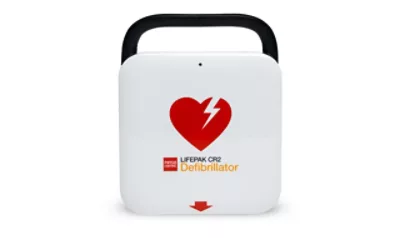
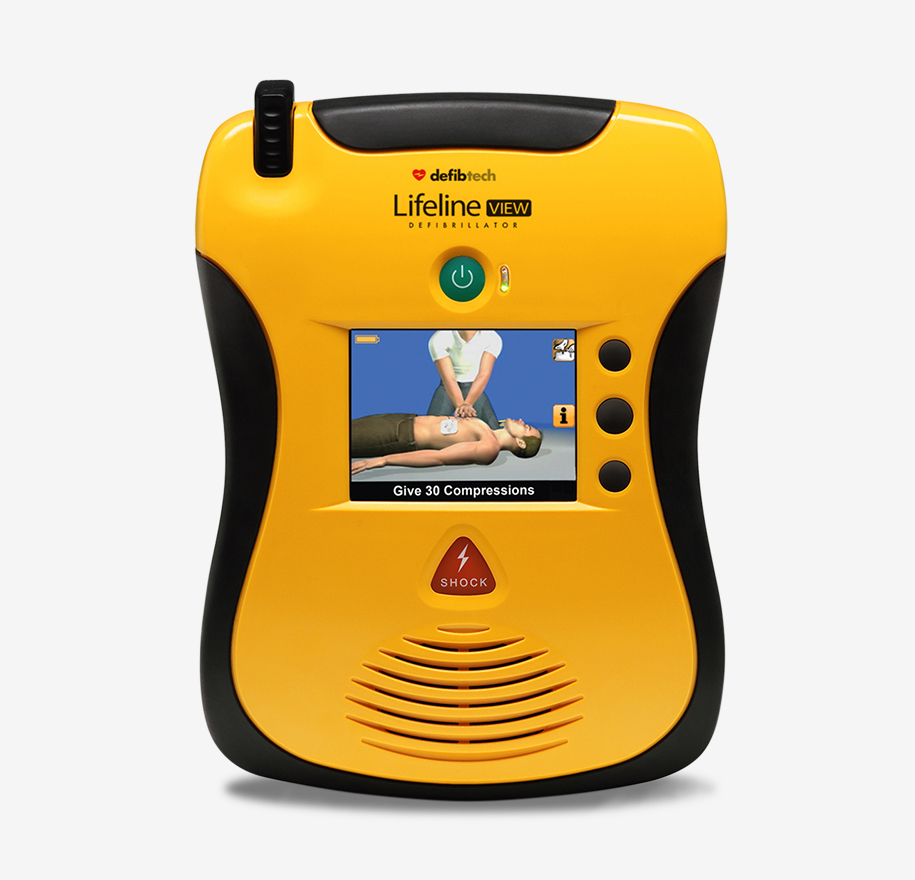
Pictured product families are visual examples for private review. Exact configurations, package contents, claims, pricing, availability, and publication approval remain held.
Step 1
Start with the setting, not the product photo.
Document the real environment before narrowing the device list. These questions help organize the conversation without assuming that one model fits every organization.
People and access
Who is responsible for the program? Who may respond? When is the location occupied, and how quickly can the unit be reached?
Placement conditions
Note indoor or outdoor placement, public access, temperature exposure, dust, moisture, security, visibility, and mounting needs.
Response planning
Consider the number of locations, training approach, inspection responsibility, documentation needs, and local program requirements.
Step 2
Compare the full ownership picture.
Exact specifications must be confirmed for the exact model and package. Use these categories to make sure important ownership details are not missed.
Device and interface
Exact manufacturer, model, prompt style, operating sequence, language options, and any supported accessibility features.
Adult and pediatric use
The exact pads, keys, settings, or accessories required for the populations your program intends to support.
Readiness and maintenance
Inspection process, self-test indicators, supply replacement schedule, documentation, and responsible staff.
Replacement supplies
Exact pad and battery compatibility, shelf life or service life, storage requirements, lead time, and replacement cost.
Storage and visibility
Cabinet size, mounting location, alarm or strobe needs, signage, security, and environmental protection.
Support and terms
Current warranty, service process, training resources, shipping, returns, recalls, and supplier support.
Important: Compatibility, shelf life, warranty, and package contents vary. Verify them against current manufacturer and supplier records for the exact item before purchasing.
Step 3
Bring the right information to the conversation.
You do not need to know the model you want. A short description of your organization is enough to begin a structured review.
Helpful details
- Organization type and primary location
- Number of sites and intended AED placements
- Indoor, outdoor, vehicle, travel, or mobile use
- Approximate daily occupancy and operating hours
- Adult, pediatric, or mixed population planning
- Existing AEDs, cabinets, pads, batteries, or trainers
- Training, inspection, documentation, or program-support needs
- Purchasing timeline and quote or purchase-order requirements
What happens next
A controlled path from questions to a purchase decision.
- Define the use case.We organize your locations, users, environment, program needs, and purchasing process.
- Narrow the candidate equipment.We identify product families that may fit the documented needs without substituting assumptions for verified facts.
- Verify the exact record.Before publication or purchase, the exact model, package, price, compatibility, warranty, availability, shipping, and return terms must be confirmed.
Ready to begin?
Tell us what you are planning.
Use the guidance page to organize your needs now. A live request form will be added after the support mailbox and privacy workflow are approved.