
Build a training setup that fits the class.
Explore AED trainers, CPR manikins, replacement parts, consumables, and related practice equipment while keeping every training-only item clearly separated from operational emergency equipment.
AED trainers, training pads, simulated batteries, practice accessories, and manikins must be labeled, stored, and presented so they are not mistaken for equipment intended for an emergency response.
Browse the training departments.
The private catalog separates primary training units from support-depth parts so instructors can find complete systems without crowding the main navigation.
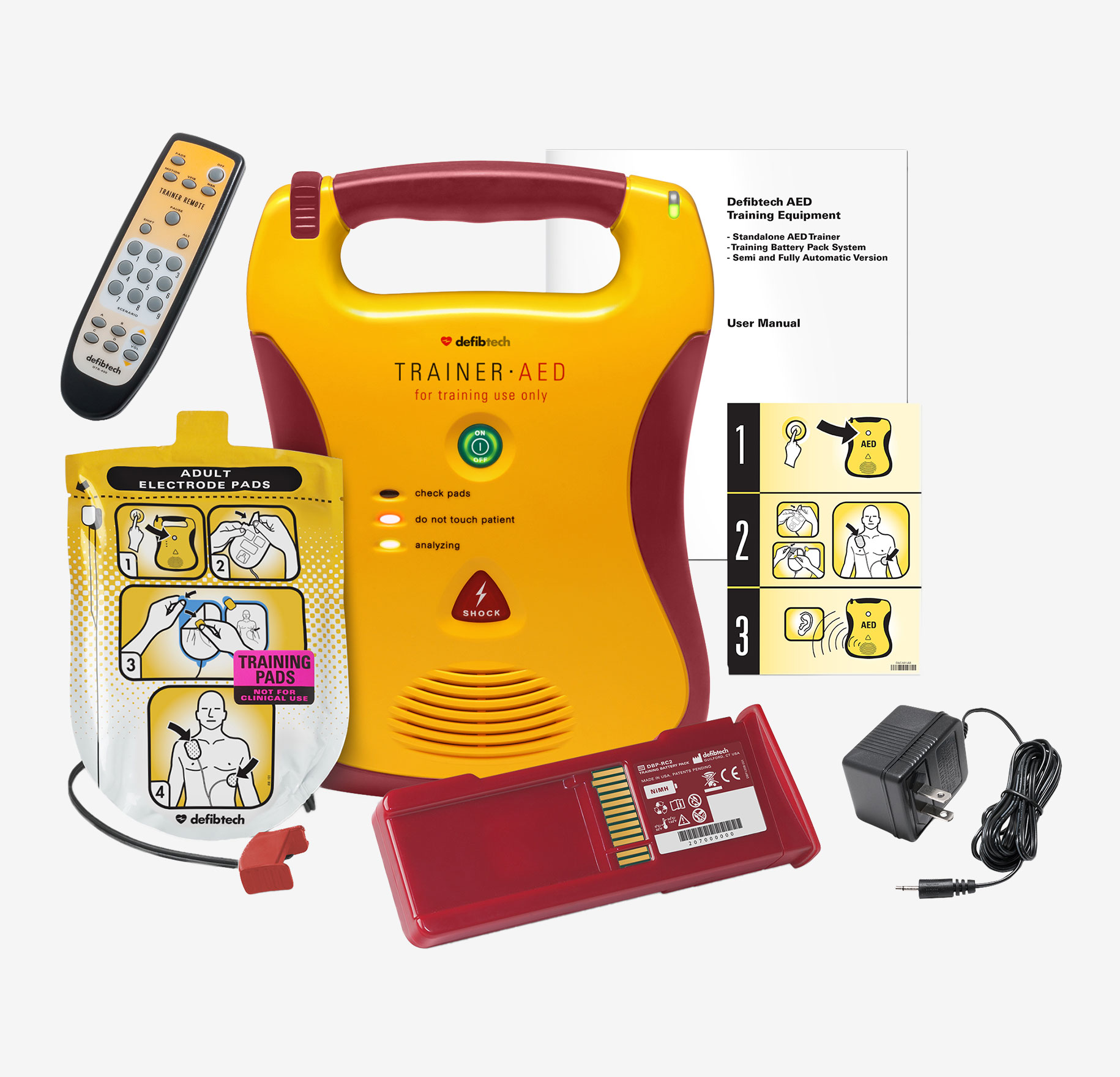
AED trainers
Training-only units, remotes, simulated pads, adapters, cases, and practice accessories organized by exact trainer family.
Browse AED Trainers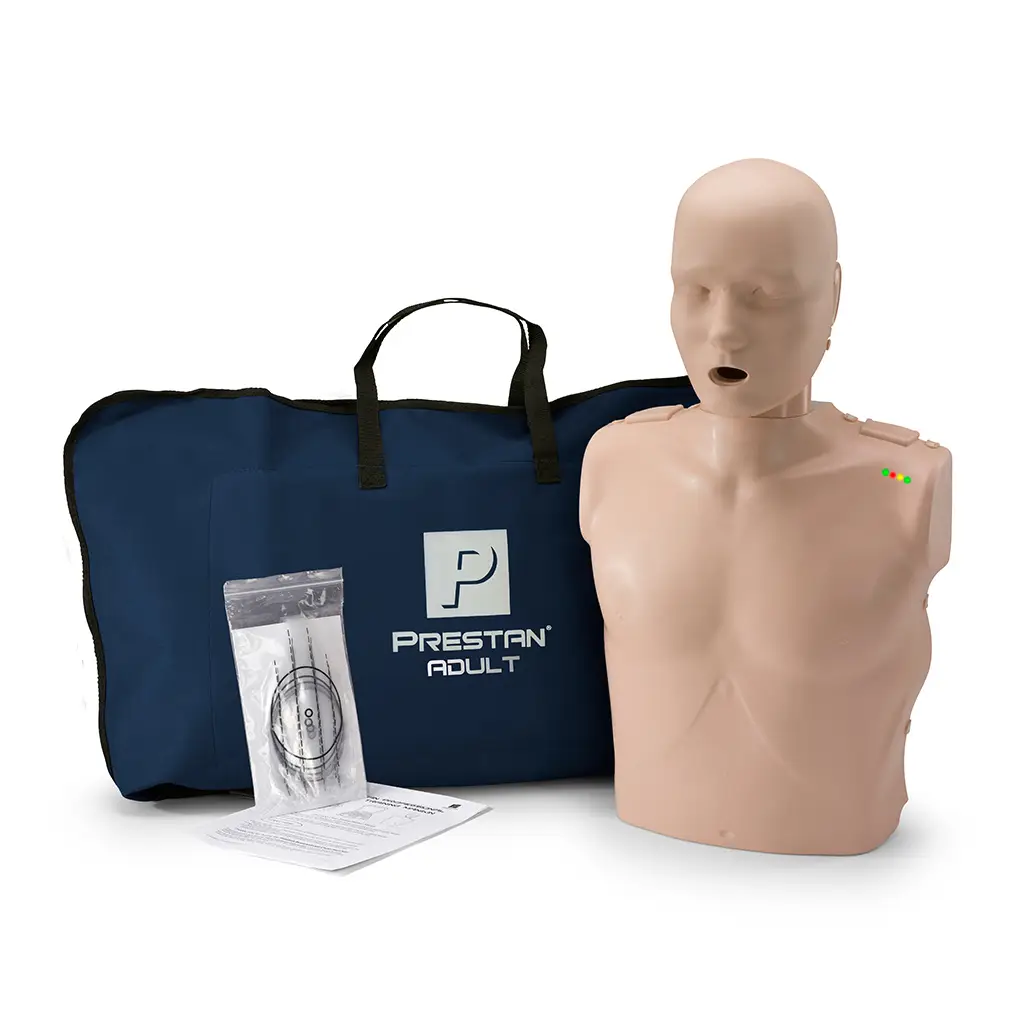
CPR manikins
Adult, child, infant, torso, full-body, kit, and feedback-capable candidates organized only after exact product review.
Browse CPR Manikins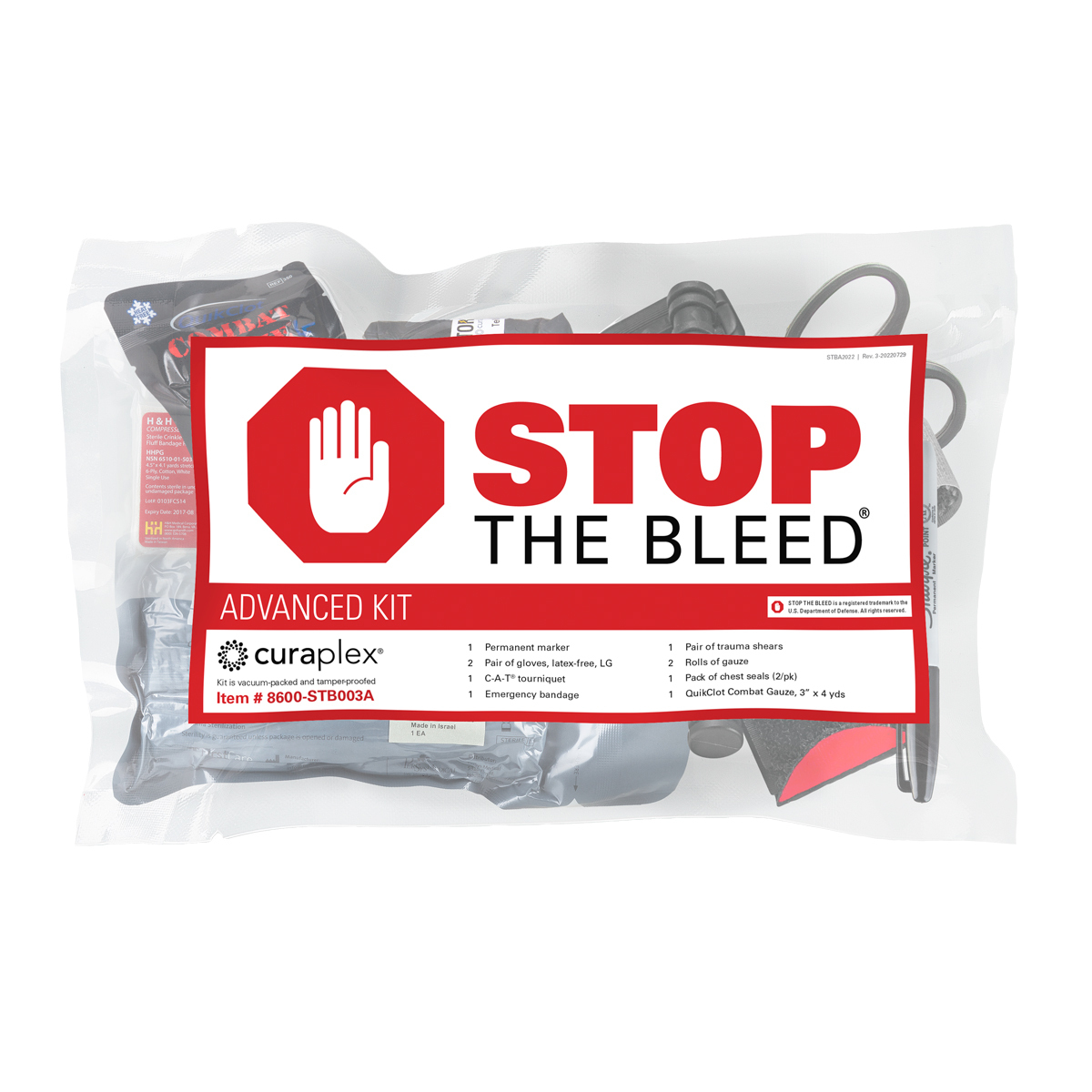
Manikin supplies and parts
Lungs, faces, skins, airways, clothing, cables, adapters, replacement components, and consumables matched to exact manikin families.
Browse Manikin Parts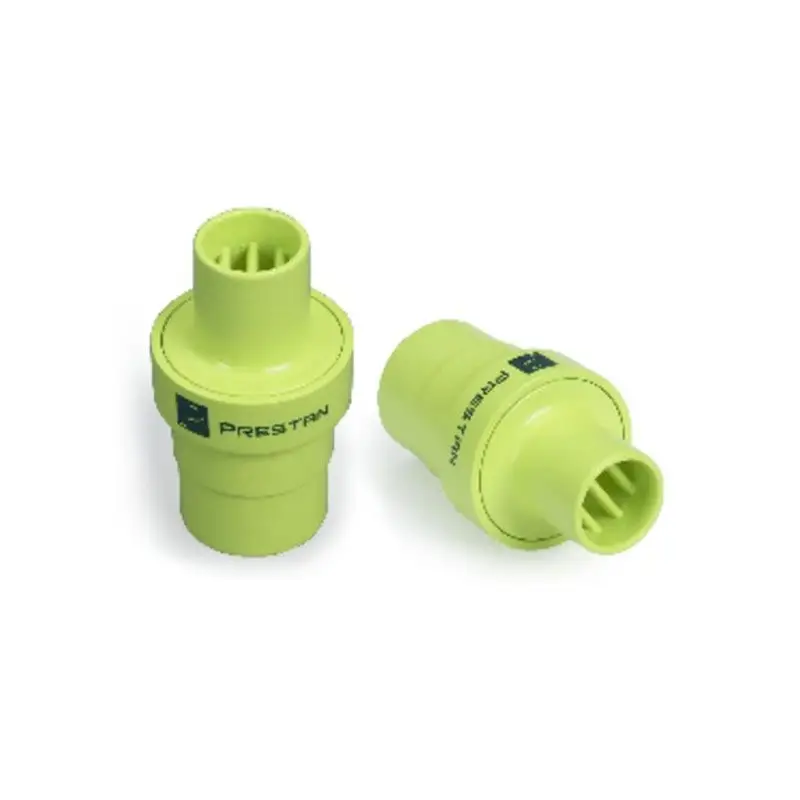
Bleeding-control equipment
Candidate training and response products kept separate until exact intended use, contents, expiration, and supplier records are verified.
Browse Bleeding ControlPlan the equipment around the learning environment.
The exact training objective, class size, station ratio, learner population, feedback approach, cleaning process, and storage plan all affect the equipment list.
Training objective
Identify the course, skills, scenarios, instructor workflow, and whether operational-device familiarity matters.
Learner population
Plan adult, child, infant, mixed-population, individual, team, or instructor-demonstration use.
Class and station size
Record expected learners, number of stations, rotation format, instructors, and available room setup.
Feedback and data
Identify any desired visible, audible, device, app, or instructor feedback only after exact capabilities are verified.
Cleaning and consumables
Plan replaceable lungs, faces, airways, barriers, wipes, batteries, pads, and other controlled recurring items.
Transport and storage
Consider cases, bags, carts, charging, classroom storage, labeling, inventory, and separation from operational equipment.
Preview the training-set planner.
Use non-personal details to review the future planning experience. The preview does not calculate, submit, transmit, or store a recommended kit.
Training equipment set
- Training objectives
- Held for course and scope review
- AED trainers
- Held for exact family and quantity
- Adult manikins
- Held for exact model and quantity
- Child or infant manikins
- Held for exact model and quantity
- Feedback system
- Held for verified capability
- Parts and consumables
- Held for exact compatibility
- Cases and storage
- Held for class and transport plan
- Price and availability
- Held for current supplier terms
Parts must match the exact training family.
Manikin and trainer components can differ across generations, sizes, feedback systems, regional versions, and kit configurations.
- Exact manufacturer, product family, model, and generation
- Adult, child, infant, torso, full-body, or kit configuration
- Trainer pads versus operational pads
- Training cable, remote, adapter, battery, or power requirements
- Lung, airway, face, skin, clothing, and consumable compatibility
- Feedback device, software, app, tablet, or connection requirements
- Package quantity, recurring replacement needs, price, and availability
A controlled path from class plan to equipment list.
The final recommendation must match the approved training scope and the exact products actually available.
Define
Document objectives, class size, stations, populations, feedback, transport, and storage.
Map
Match complete trainers, manikins, parts, and consumables to exact product families.
Verify
Confirm compatibility, package contents, price, availability, images, warranty, shipping, and returns.
Separate
Label and store training-only products so they remain distinct from operational emergency equipment.
Keep the two equipment systems distinct.
The storefront, product titles, images, descriptions, search results, packages, and storage guidance must make the difference obvious.
Training-only equipment
- AED trainers and remotes
- Training pads and simulated accessories
- CPR manikins and feedback systems
- Replacement training parts and consumables
- Classroom cases, bags, and storage
Operational emergency equipment
- Operational AED devices
- Operational pads and batteries
- Operational cabinets, cases, signs, and accessories
- Exact manufacturer instructions and readiness records
- Separate product, compatibility, and purchasing controls
Need help planning the training setup?
Use the guidance preview to organize the course context, learner population, class size, stations, existing equipment, and purchasing process.
Training equipment and accessories are not a substitute for operational emergency equipment. Exact product capabilities, compatibility, course suitability, cleaning, warranty, and use instructions must be verified from current sources.